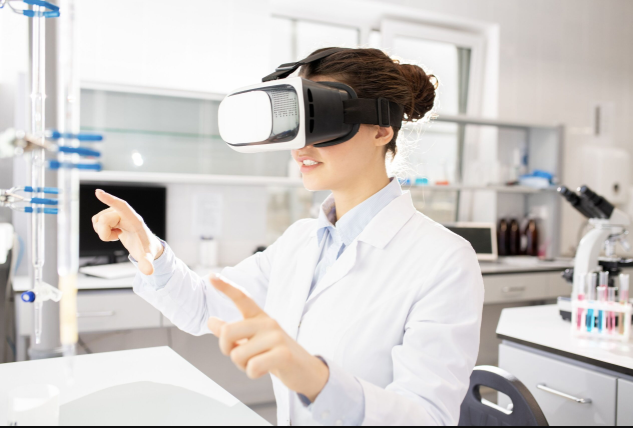

Virtual Reality (VR) is increasingly recognized for its potential in healthcare and therapy. It provides innovative approaches to pain management, anxiety reduction, and rehabilitation. By immersing patients in tailored virtual environments, VR can distract from discomfort and facilitate emotional healing. Additionally, its applications in medical training enhance practical skills for healthcare professionals. As technology advances, the implications of VR in these fields raise important questions about its long-term effectiveness and ethical considerations.
The Role of Virtual Reality in Pain Management
As healthcare professionals increasingly seek innovative solutions for pain management, virtual reality (VR) has emerged as a transformative tool that offers a unique approach to alleviating discomfort.
By immersing patients in engaging virtual environments, VR facilitates pain distraction, redirecting attention away from physical sensations.
This novel strategy not only enhances the patient experience but also empowers individuals, fostering a sense of control over their pain management journey.
Overcoming Phobias and Anxiety Disorders With VR
Virtual reality (VR) offers a groundbreaking approach to overcoming phobias and anxiety disorders, providing immersive experiences that can significantly alter a patient’s emotional responses.
By utilizing exposure therapy within controlled virtual environments, patients can gradually confront their fears, leading to anxiety reduction.
This innovative method empowers individuals, fostering resilience and enhancing coping strategies, ultimately paving the way for a more liberated and fulfilling life.
See also: pragmatichoki22com
Enhancing Physical Rehabilitation Through Immersive Environments
While traditional physical rehabilitation methods often struggle to maintain patient engagement and motivation, immersive environments created through virtual reality are transforming the rehabilitation landscape.
These virtual environments enhance rehabilitation techniques by providing interactive, gamified experiences that promote active participation. Patients can explore diverse scenarios, which not only aids recovery but also fosters a sense of autonomy, ultimately leading to improved outcomes and heightened satisfaction.
The Future of VR in Medical Training and Education
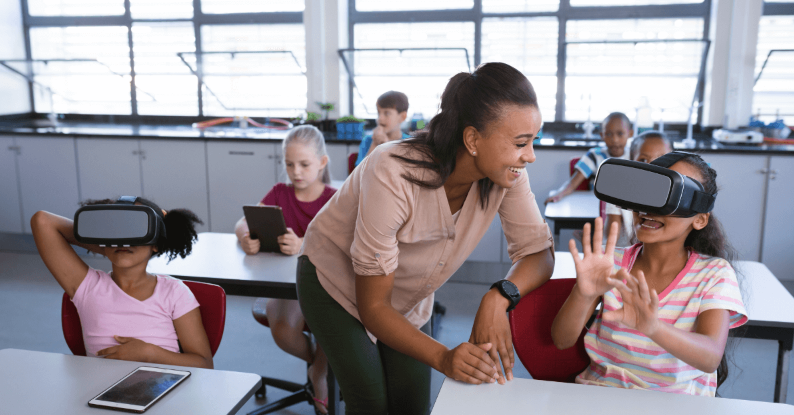
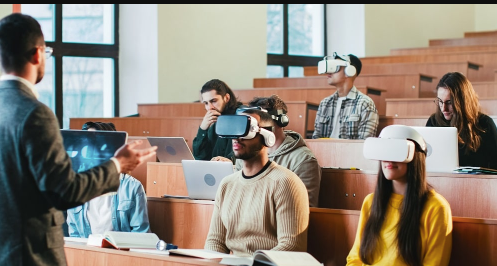
With the rapid advancements in technology, the integration of virtual reality (VR) into medical training and education is poised to revolutionize the way healthcare professionals acquire essential skills.
Conclusion
In the rapidly evolving landscape of healthcare, virtual reality serves as a lighthouse, guiding patients through the stormy seas of pain and anxiety. For instance, a study revealed that 70% of patients reported reduced pain levels during VR sessions, akin to finding calm waters amidst turbulent waves. As VR technology continues to advance, its potential to revolutionize treatment and training will empower both patients and healthcare professionals, creating a more resilient and adaptive approach to healing.