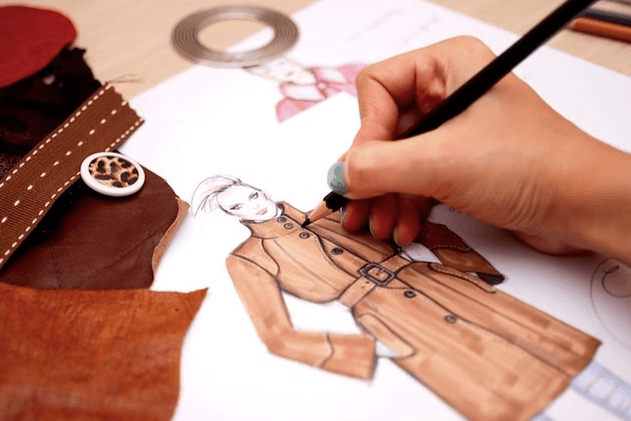

Across the globe, top fashion schools balance technical rigor with real-world immersion, forging designers who can translate craft into concept. They blend foundations, labs, and internships with sustainability and industry ties that extend beyond campus. Regional cultures shape pedagogy, yet universal standards anchor outcomes. The resulting networks and portfolios promise portability across markets. For those weighing options, the stakes are as much about mentorship and opportunities as the diploma itself. The next step reveals how these programs actually differ.
What Makes a Top Fashion School Stand Out
What distinguishes a top fashion school is the integration of rigorous technical training with real-world industry immersion. Programs excel by translating craft into concept, linking studio practice with market realities. Incorporating sustainability, curricula emphasize adaptive design and responsible production. Balancing theory with hands-on experimentation, schools foster critical judgment, enabling graduates to navigate creative autonomy within demanding, ever-evolving fashion landscapes.
Global Hotspots: Where the Best Programs Actually Live
Global fashion education centers cluster in a few enduring hubs, where historic houses, contemporary studios, and industry networks converge to shape curricula and opportunities.
Observed from a distance, these global hotspots stabilize reputations and drive innovation, while top programs demonstrate portability across markets.
Students seek influence, access, and purpose, evaluating scale, partnerships, and alumni footprints as markers of enduring prestige and practical value.
regional hubs, campus cultures
How to Pick the Right Fashion School for You
Choosing the right fashion school hinges on aligning institutional strengths with individual goals, resources, and constraints. A discerning observer notes that decisions hinge on program focus, faculty expertise, and tangible returns. Consider fashion school fees relative to financial plans, and assess campus facilities for studios, equipment, and collaborative spaces. Freedom comes with clarity: compare offerings, visit if possible, and prioritize sustainable, transferable skills over name alone.
Pathways to Success: Typical Curricula, Alumni, and Opportunities
Across fashion programs, curricula typically balance foundational design, technique-driven studio work, and business-oriented coursework, building a pipeline from concept to marketable product. The pathway structure emphasizes hands-on labs, internships, and capstones, while industry partnerships showcase real-world collaboration. Alumni networks expand opportunities, and faculty expertise guides critique, mentorship, and portfolio development, yielding discerning graduates prepared for evolving markets and independent practice.
Frequently Asked Questions
What Are Tuition Costs by Region and Program?
Tuition by region varies, with program options and curricula shaping totals; observers note that affordability depends on public versus private status, scholarships, and duration, while discerning practitioners weigh market value, exchange rates, and living costs when assessing regional cost structures.
Do Fashion Schools Offer Scholarships or Grants?
Scholarships availability varies by institution and program, with many schools offering merit- or need-based aid. Grant eligibility depends on criteria such as academic standing, country of origin, and field focus; applicants should verify deadlines and required documents.
How Long After Graduation Until Job Placement?
Job market timelines vary; graduates typically secure placements within six to twelve months, though outcomes hinge on program prestige and networking. Observant observers note alumni networks accelerate placement, yet timelines depend on discipline, dedication, and freedom to pursue opportunities.
What Internships Are Mandatory or Commonly Offered?
Internships are often mandatory or strongly encouraged, with diverse opportunities across ateliers and brands. Observers note that internships opportunities align with program aims, and placement timelines vary, typically spanning a few months post-graduation depending on institute connections and industry needs.
See also: How Crypto Technology Drives Innovation
Which Programs Emphasize Sustainable Fashion and Ethics?
Programs emphasizing sustainable fashion and ethics include curricula on sustainable sourcing and ethical labor, with critical examinations of supply chains, lifecycle impacts, and governance, offering interdisciplinary collaboration, industry partnerships, and rigorous evaluation to empower students pursuing responsible, freedom-minded professional paths.
Conclusion
The landscape of top fashion education favors nuance and connection over bold certainty. These programs quietly cultivate disciplined technique, critical thinking, and industry rapport, guiding students toward informed, self-directed paths. While markets differ and trends shift, the strongest schools offer adaptable foundations, meaningful mentorship, and real-world exposure that endure beyond graduation. For prospective designers, the message is subtle: seek a community that challenges, supports, and primes responsible practice, and let opportunity follow with patient, steady momentum.