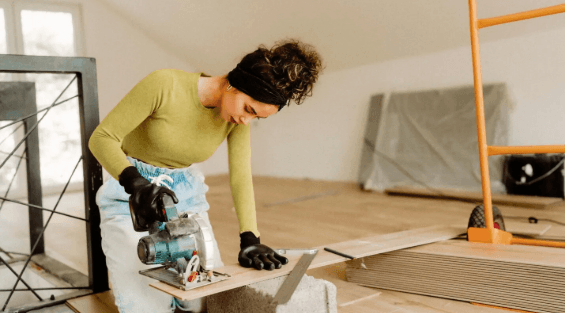

A practical approach to home improvements starts with tight draft resistance. Sealing gaps around doors, windows, and penetrations reduces heat loss and improves comfort. Then, audit lighting and switch to energy-efficient LEDs, adding dimmers or sensors where possible. Tighten hinges, install weatherstripping, and refresh hardware for longevity and cohesion. These steps build a stronger, smarter shell for the house, offering steady savings and a warmer feel—a solid foundation that begs you to pursue the next pragmatic update.
Start With a Tight Draft-Resistance Plan
A tight draft-resistance plan should begin with a clear assessment of typical airflow paths in the living space, focusing on doors, windows, and any penetrations in the building envelope. The approach emphasizes practical steps to reduce heat loss: seal gaps, reinforce thresholds, and prioritize budget lighting planning. This clarity supports personal freedom while maintaining reliable, efficient, tight draft control.
Upgrade Lighting Efficiency on a Budget
Upgrading lighting efficiency on a budget focuses on maximizing output while minimizing energy use and cost.
A systematic approach emphasizes smart lighting choices, scheduling, and component quality.
Conduct an energy audit to identify waste, then replace inefficient bulbs with LEDs and install dimmers or smart controls.
Prioritize occupancy sensors and daylight harvesting to sustain savings without sacrificing comfort or freedom.
Tighten Doors, Windows, and Storage for Comfort
Tightening doors, windows, and storage gaps directly reduces drafts and heat loss, building on the energy-saving habits established earlier. The approach remains practical and measured: assess gaps around frames, seals, and furniture; apply weatherstripping and proper caulking; adjust hardware for a snug fit. Compile a draft resistance plan and record savings, enabling confident, freer living through targeted improvements. tighten doors, windows, storage.
Refresh Hardware and Finishing Touches for Value
Attention to small hardware and finish details can yield noticeable returns in both function and appearance. A measured hardware refresh updates hinges, knobs, and pulls, reducing wear and improving usability. Finishing touches—trim, lighting, and aligned hardware—create cohesion without major renovation. These steps deliver value through durability and improved perception, empowering homeowners seeking freedom to customize while preserving budget and time.
Frequently Asked Questions
What Maintenance Schedule Keeps Drafts From Returning After Upgrades?
A maintenance schedule that prioritizes draft prevention includes seasonal inspections, caulking and weatherstripping checks, sealant reapplication as needed, HVAC filter changes, door sweeps, and window性能 audits; after upgrades, recheck joints quarterly to ensure continued draft prevention.
How Can I Measure Actual Energy Savings Accurately?
The answerer notes irony as a visual cue, then states: to measure energy savings accurately, implement consistent baselining and multi-point metering; track daily usage, weather-adjusted comparisons, and annualized deltas for accurate tracking and freedom-focused insight.
Which Tools Are Essential for Quick Home Improvement Projects?
Essential tools for quick fixes include a tape measure, level, screwdrivers, utility knife, pliers, drill, and an adjustable wrench; these enable time saving hacks, while budget friendly upgrades and versatile accessories support practical, freedom-seeking homeowners seeking efficient results.
See also: How Crypto Technology Drives Innovation
What Small Changes Improve Indoor Air Quality Year-Round?
Air quality blooms with simple steps: air filtration upgrades, humidity control, acoustics improvement, VOC reduction, passive cooling, and IAQ monitoring. These practical measures empower freedom-seeking households to sustain indoor environments year-round with clear, authoritative guidance.
How Do I Prioritize Projects for Maximum ROI Quickly?
To maximize ROI quickly, prioritize high-impact, low-effort projects first; use a simple scoring system, focusing on payback, reliability, and disruption. Quick project prioritization should balance cost, time, and long-term value to enable freedom and momentum.
Conclusion
A tight draft-resistance plan and smart lighting choices deliver tangible comfort and long-term value. By sealing gaps, upgrading to LEDs, and aligning hardware, homes become warmer and more efficient without major renovations. An eye-opening statistic helps lift motivation: energy-efficient improvements can reduce a typical household’s utility bills by up to 10–25% annually. This practical approach proves that small, thoughtful upgrades—done with care—yield meaningful savings, better ambiance, and lasting home integrity.