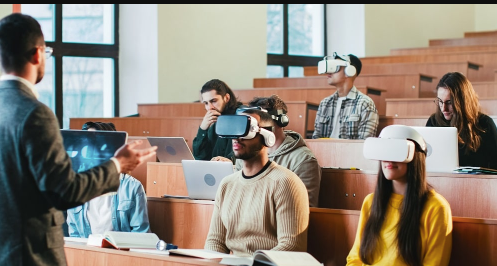

Virtual Reality (VR) is redefining the landscape of education and training. Its immersive environments engage learners in unprecedented ways, enhancing both understanding and retention. Various disciplines, from medicine to vocational training, are harnessing VR for interactive simulations. However, the real question remains: how will these advancements shape the future of learning and skill acquisition? Exploring the implications of VR could reveal transformative pathways yet to be fully realized.
The Advantages of Virtual Reality in Learning
As educators increasingly embrace technology, the integration of virtual reality (VR) into learning environments emerges as a transformative approach.
Its capacity to create immersive experiences fosters enhanced engagement among students, allowing them to explore concepts in dynamic ways.
Applications of VR in Various Educational Settings
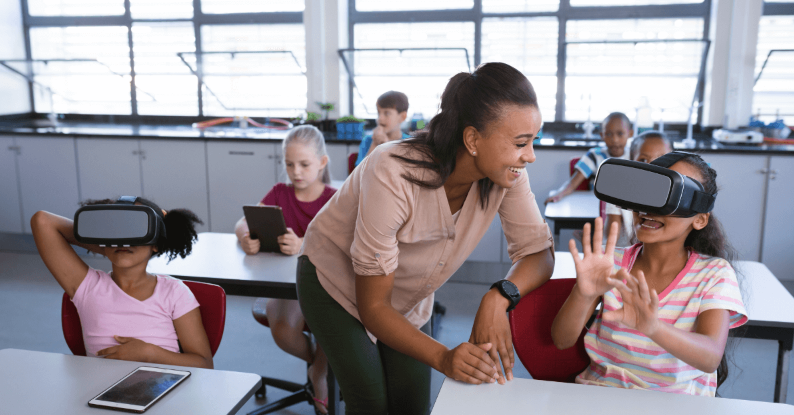
Numerous educational settings are increasingly adopting virtual reality (VR) to enhance learning experiences across disciplines.
By providing immersive experiences, VR allows students to engage deeply with content, promoting retention and understanding.
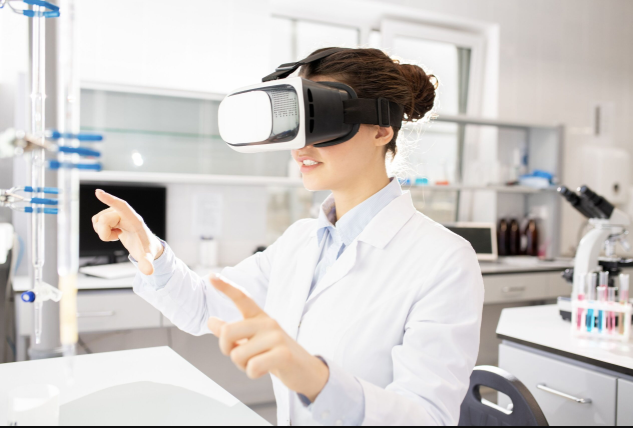
Interactive simulations in fields like science, history, and vocational training enable learners to practice real-world skills in safe environments, fostering creativity and critical thinking while breaking down traditional barriers to education.
Case Studies: Successful Implementation of VR Training
Case studies demonstrate the tangible benefits of VR training in various educational contexts, showcasing its transformative potential.
Institutions have reported significant skill enhancement through immersive experiences that engage learners deeply. For instance, medical students practice surgeries in realistic simulations, leading to improved confidence and competence.
Such examples highlight VR’s ability to revolutionize training methodologies, empowering individuals to acquire skills in dynamic and interactive environments.
See also: pragmatichoki22com
The Future of VR in Education and Professional Development
While the integration of VR in education and professional development is already making waves, its future promises even greater advancements that could redefine learning experiences.
Emerging technologies will facilitate immersive experiences, enabling learners to engage deeply and acquire skills more effectively. As VR becomes increasingly accessible, it offers unprecedented opportunities for personalized learning, fostering creativity and collaboration while breaking traditional educational barriers.
Conclusion
In conclusion, Virtual Reality (VR) is reshaping educational landscapes by fostering immersive learning experiences that cater to diverse needs. Notably, studies indicate that VR can increase information retention rates by up to 75% compared to traditional methods. As VR technology continues to evolve, its potential to enhance skill acquisition and foster lifelong learning is boundless, offering transformative solutions that engage students and professionals alike in an increasingly dynamic world.